take a break
put down the phone
open the door
go outside
see the sky
smell the world
feel the wind
find something nice
a flower, a tree, a snazzy car, a friendly face
close your eyes
smile a quiet smile
breathe
and tuck this image away
for future use
because when storm clouds gather
and fires of anger rage
we will need that cache of secret moments
to bolster our resolve
with memories of peace
Archive for the ‘Creativity’ Category
Take a Break
Posted in Poetry, tagged creative writing, modern poetry, Poetry on 19 Mar 2026| Leave a Comment »
The Power of Y’all
Posted in Culture, Writing, tagged business correspondence, customer service, language, y'all on 16 Feb 2026| 3 Comments »
 Trigger Warning: The following might be considered “cultural appropriation adjacent.” (Whatever that means.)
Caveat #1: I was born in California, and have never lived in the American South.
Caveat #2: I have not made a study of this.
Lost Cat
Posted in Gardening, Poetry, tagged cat, modern poetry, Poetry on 07 Feb 2026| Leave a Comment »
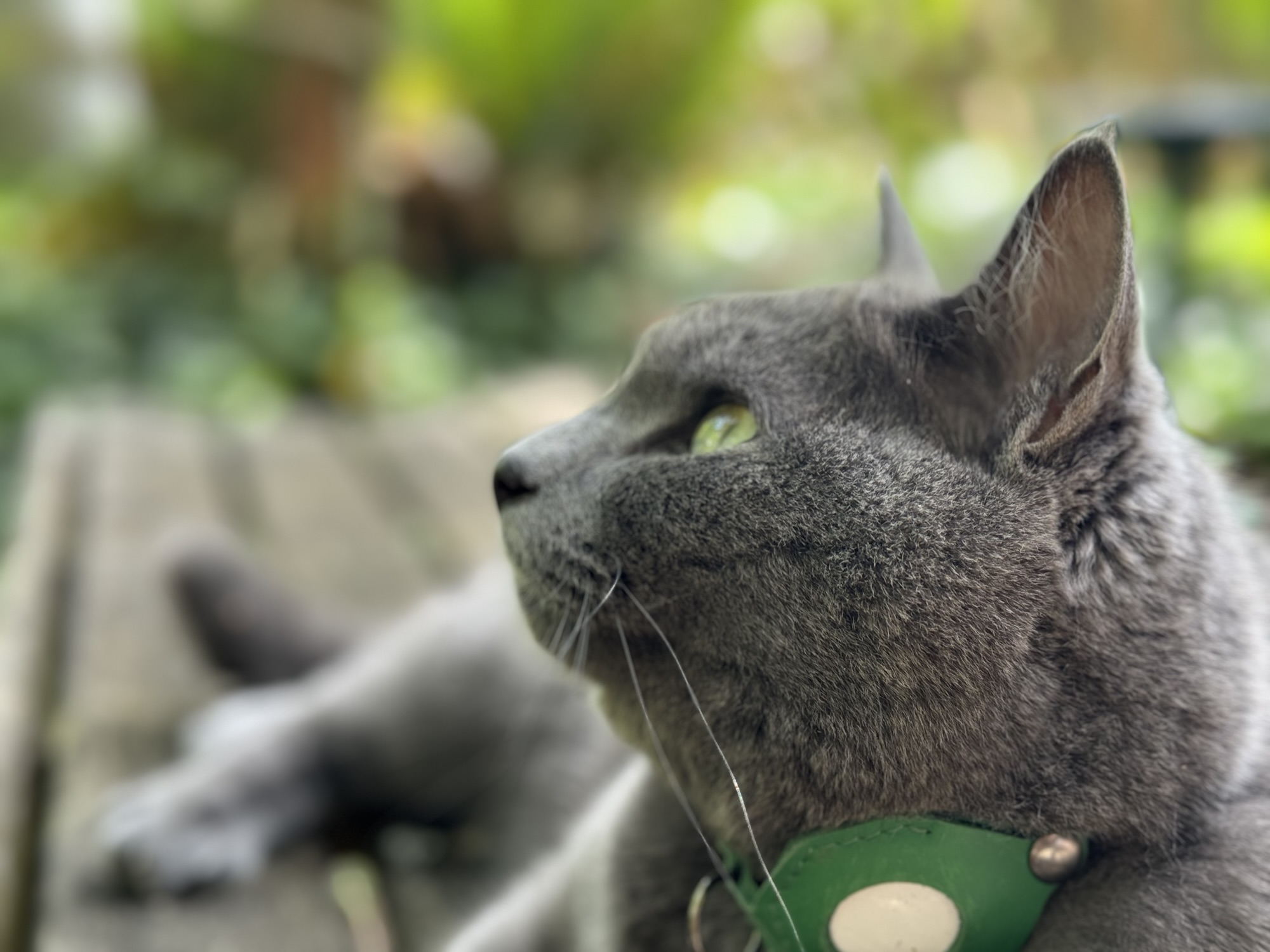 he appeared one day
four-footed storm cloud
walking up to our deck
like he’d been there all his life
I said hey and
he squinted a smile
rising up to nuzzle my
offer of friendship
he became a fixture
prowler in the gardens
riding shotgun on my shoulder
as he supervised my labors
but his candle was brief
his rumble now silenced
and his spot in the sun
forever empty
Cruel Winter
Posted in Poetry, Politics, tagged Campos, Cáceras, CBP, Díaz, DHS, Domíngues, Good, ICE, La, Minneapolis, Minnesota, modern poetry, murder, noem, Poetry, Pretti, resist, Stephen Miller, Trump, Yáñez-Cruz on 29 Jan 2026| Leave a Comment »
three shots, maybe four
from her ‘I’m not mad at you’
to his ‘fucking bitch’
five shots, maybe ten
to go from ‘Are you okay?”
to oblivion
two deaths plus six more
this winter of ’26
merely a month old
Cáceras, Campos,
Díaz, La, Good, Yáñez-Cruz,
Domíngues, Pretti
remember their names
that their dreams and hopes and joys
are not forgotten
Can You Hear It?
Posted in Poetry, tagged creative writing, modern poetry, Poetry, politics, vignettes on 15 Jan 2026| Leave a Comment »
 Can you hear it?
in the dark of sleepless nights
the pop of baton-starred windows
the piercing whistles of warning
the tear-choked cries of “Shame!”
Can you?
through the oily drumbeats
the thumping of heartless chests
the empty heads nodding at golden tributes
the apotheosis of clowns
I can.
from the massed rumbling of voices
the rising sirens of dissent
the crackling of crumbling facades
the electric hum of investigative light
Just listen.
to its wheezing, wet and panicked
its whimpers echoing down shadowed halls
its spittle-flecked lips mouthing repurposed slogans
its ancient rage bubbling up, phlegmy and thick
Know what it is?
it’s the death rattle of the ruling class
the final breaths of discordant power
twitching in spasmodic bursts of violent hate
as the people stand up and prepares to march ahead
Time for change.
Sowing
Posted in Poetry, tagged creative writing, gardening, modern poetry, Poetry, quiet living, Serenity on 08 Jan 2026| Leave a Comment »
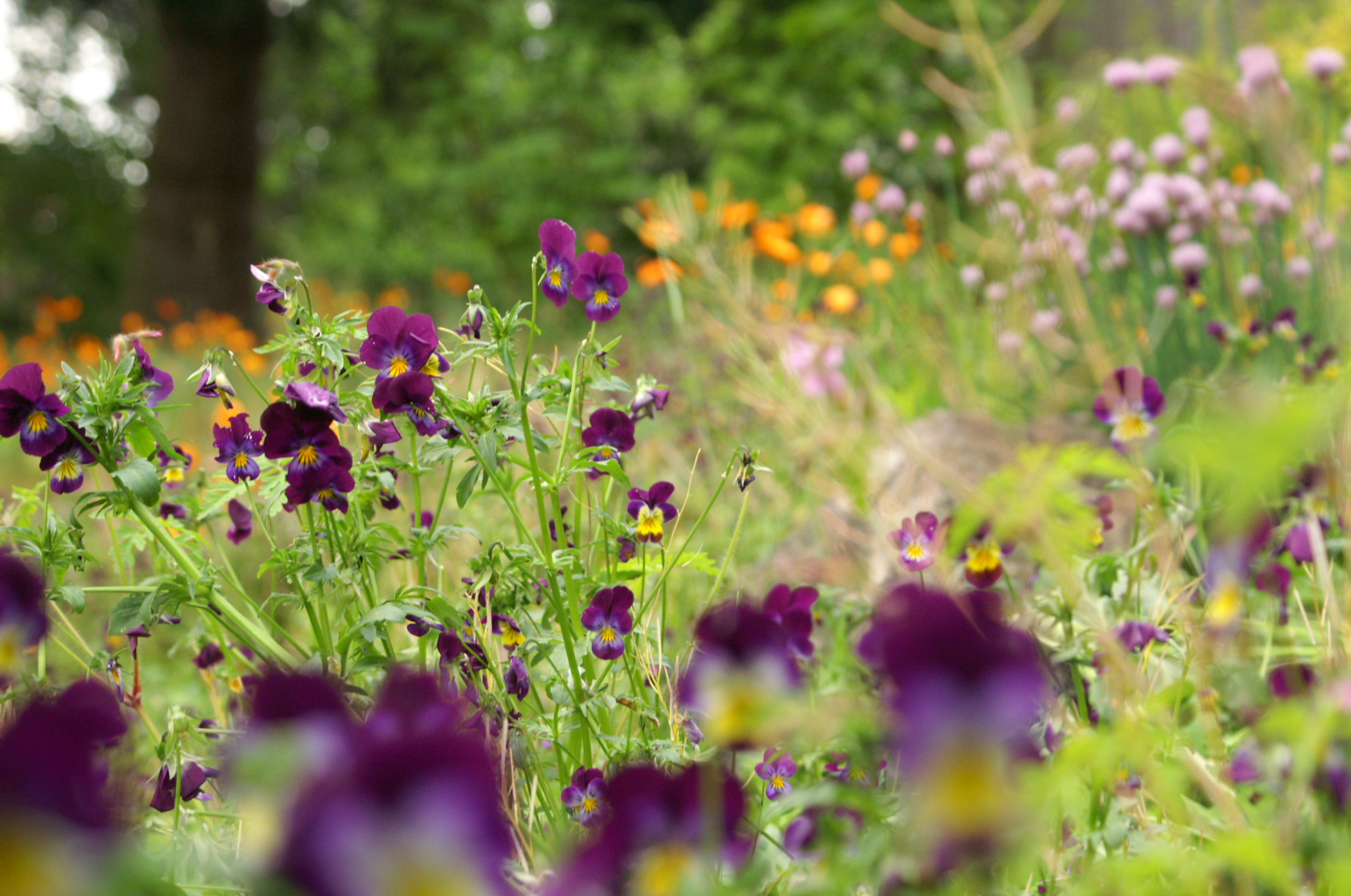
this seed
on my fingertip
dark hard smooth
small as a gnat’s wing
shiny as a starling’s eye
is a kernel of hope
a dream undreamt
of warm sunshine
and cleansing rain
and to plant it
in this black loamy bed
heady with life
is to say a prayer
for food
for flowers
for beauty
for peace
Vignette 06Dec2025
Posted in Creativity, Writing, tagged atheism, atheist, creative writing, death, mortality, vignettes, Writing on 06 Dec 2025| 2 Comments »
 This morning, I awoke surprised as last night, in my dream, I died, that fearful thing we were always told would mean we’d seen our last waking day. Yet here I am alive and telling my tale of how I dreamt that, after a struggle, I’d succeeded in my grand task, but failed to save myself.
I lay in a hospital bed. The room was bright, the machines beeped, but when the klaxons sounded I turned my head and saw the monitor’s lines go flat, its numbers tick down to zero. I know it was it I who watched, as I felt my conscious self hanging on for a few brief breathless moments as my candle guttered out. There was no sudden pain, no last struggle against the dark, or if there was, I was unaware as my form and I had already parted ways. I heard no celestial choirs, saw no flights of angels. What filled me as my vision faded was neither terror nor fear, not even anxiety.
I felt free.
Free. Released, unfettered, one final exhalation filled with serenity and peace, the struggle over, the grand task complete, a life, concluded. I wanted nothing after, did not pray for heaven, feared no hell. I was simply content to have loved well and done my best.
That’s it.
Love well.
Do your best.
Naught else is worth tallying.
 Kurt R.A. Giambastiani